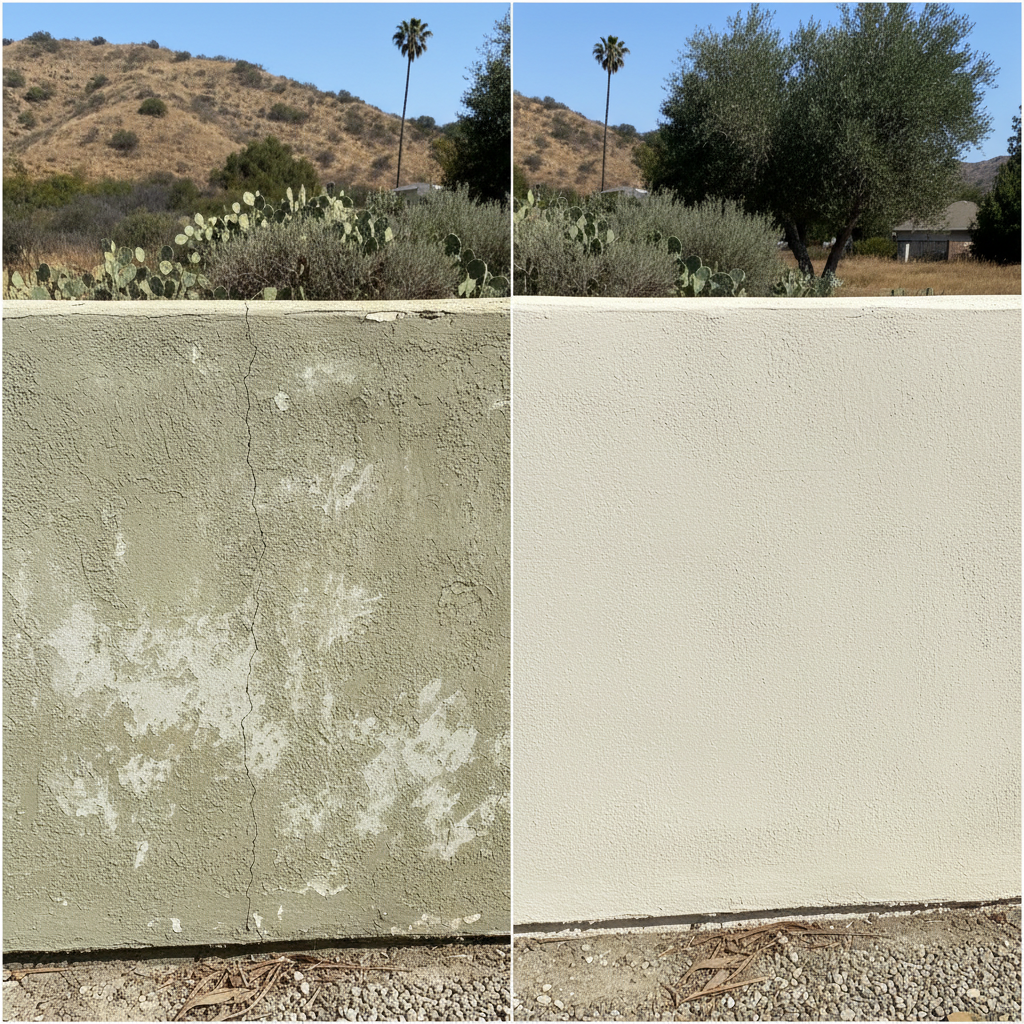
So, you've got some stucco damage. Maybe it's a crack, a hole from an old satellite dish, or just some general wear and tear. You're probably wondering what the best way to fix it is. For homeowners here in El Monte, you've generally got two main paths: patching the problem area or going for a full resurface. Both have their place, but knowing which one is right for your situation can make a big difference in cost, appearance, and how long the fix actually lasts.
Patching Stucco: The Quick Fix
Let's talk about patching first. This is exactly what it sounds like – you're fixing just the damaged section. It's usually quicker and definitely cheaper upfront. If you have a small, isolated crack, a ding, or a hole that's not too big, patching can be a perfectly good solution.
When Patching Works Best
- Small, localized damage: A single crack, a small impact hole, or minor delamination in one spot.
- Newer stucco: If your stucco is relatively new and the color hasn't faded much, a patch can blend in pretty well.
- Budget constraints: When you need a repair done fast and don't have the funds for a bigger project.
The Downsides of Patching
Here's where it gets tricky. The biggest challenge with patching is color matching. Even if you use the exact same stucco mix, the new patch will almost always look different from the existing, weathered stucco. The sun, rain, and smog we get here in El Monte fade stucco over time, so a fresh patch will stick out like a sore thumb. I've seen it countless times, especially on older homes in areas like the Cogswell Dam neighborhood where stucco has been baking in the sun for decades. You might end up with a checkerboard effect, which isn't ideal if you care about curb appeal.
Also, a patch only fixes that one spot. If you have underlying issues like water intrusion or widespread hairline cracks, a patch is just a Band-Aid. It won't address the root cause, and you'll likely see more problems pop up elsewhere down the line.
Stucco Resurfacing: The Full Facelift
Now, resurfacing is a more comprehensive approach. This involves applying a new layer of stucco over your entire existing stucco surface. It's not a full tear-off and re-stucco, but rather a new finish coat that covers everything.
When Resurfacing Is Your Best Bet
- Widespread damage: If you've got cracks all over, multiple dings, or areas where the stucco is delaminating in several places, resurfacing makes more sense than patching a dozen different spots.
- Dated appearance: If your stucco is old, faded, or you just don't like the color anymore, resurfacing gives your whole house a fresh, uniform look. It's like giving your home a brand-new skin.
- Improved durability: A new finish coat can add an extra layer of protection against the elements, making your stucco last longer.
- Better curb appeal: This is where resurfacing really shines. You get a consistent color and texture across your entire home, which drastically improves its appearance and can boost your property value.
Considerations for Resurfacing
Naturally, resurfacing is a bigger investment upfront than a simple patch. It takes more time, more materials, and more labor. However, when you factor in the longevity, the improved appearance, and the fact that you won't be chasing new patches every few years, it often pays for itself in the long run. You're not just fixing a problem; you're upgrading your home's exterior.
We typically recommend resurfacing for most of our El Monte clients who have anything more than a tiny, isolated issue. It's especially true if your stucco is showing its age or if you're planning to sell your home soon. A fresh, uniform stucco exterior makes a huge difference to potential buyers.
My Recommendation for El Monte Homeowners
Look, if you've got a tiny nail hole where you took down a decoration, a patch might be fine. But for anything beyond that – a noticeable crack, multiple areas of damage, or just an exterior that's looking tired – I'm going to tell you to seriously consider resurfacing. The uniform look, the enhanced protection, and the long-term value it adds to your home are usually worth the extra cost.
You don't want to spend money on a patch only to have it stand out like a sore thumb, or worse, have new cracks pop up next to it a year later. With El Monte Stucco & Plastering, we've seen every kind of stucco damage imaginable, and we know what works best for our local climate and building styles. Get it done right the first time, and you won't have to worry about it for years to come.