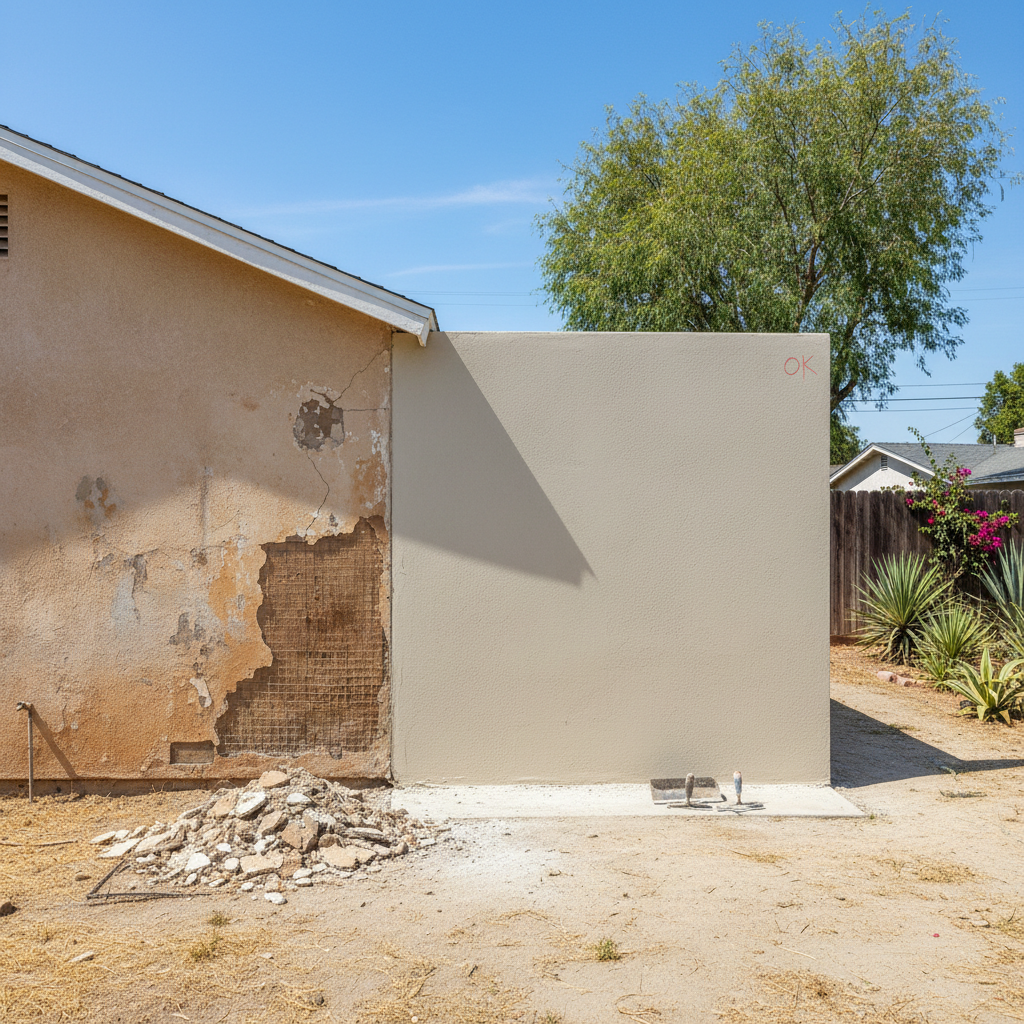
You've got a stucco home here in El Monte, and maybe you're seeing some cracks, or you're just being proactive about maintenance. How do you figure out what's really going on with that stucco? You've basically got two main ways to inspect it: a visual inspection or a more involved, destructive test. Let's talk about both.
Visual Stucco Inspection: The Quick Look
This is what most folks think of when they hear 'stucco inspection.' A professional, like me, comes out and walks around your house. We're looking for all the obvious stuff: cracks, bulges, discoloration, staining, areas where the stucco might be separating from the wall, or places where water could be getting in, like around windows, doors, and rooflines. We'll tap on the stucco to listen for hollow spots, which can indicate delamination or moisture issues underneath.
Cost & Convenience
A visual inspection is definitely the cheaper and quicker option. We don't have to cut into anything, so it's less invasive and there's no repair work needed afterward. It's a great first step, especially if you're just doing routine maintenance or if the problems seem pretty minor and localized.
What it Tells You
It's good for spotting surface-level issues and giving you a general idea of the stucco's condition. You'll get a report outlining visible defects and potential problem areas. It's like a doctor giving you a physical – they can tell a lot, but they can't see what's happening inside without further tests.
Limitations
Here's the catch: a visual inspection can't tell you what's happening behind the stucco. You might have water intrusion, mold, or wood rot that's completely hidden. The stucco might look fine on the outside, but be failing internally. This is particularly true for homes built in the 80s and 90s, when some less-than-ideal stucco applications were common, especially around window flashing details. A visual inspection won't catch those hidden issues until they've become significant enough to show on the surface.
Destructive Stucco Inspection: Getting to the Root of It
Alright, so this is where we get serious. A destructive inspection means we actually cut small, strategic holes in your stucco. We're not just guessing anymore; we're looking directly at what's underneath.
Why Go Destructive?
You'd opt for this if the visual inspection raised red flags, if you're buying or selling an older home and want to be absolutely sure about its integrity, or if you've had ongoing moisture problems that haven't been resolved. For example, if you've got a home in the hills above El Monte, where you get more direct sun and rain exposure, and you're seeing persistent staining below windows, a destructive test might be the only way to confirm if there's hidden damage to the sheathing or framing.
The Process
We'll carefully cut out small sections, usually 2x2 or 4x4 inches, in discreet locations – often around windows, doors, at the base of walls, or where the visual inspection pointed to potential issues. We'll use a moisture meter to pinpoint wet areas before cutting. Once open, we can see the lath, the paper, the sheathing, and the framing. We're looking for moisture, mold, rot, and proper flashing installation. After the inspection, we patch up the holes with fresh stucco, matching the texture and color as best as possible.
Cost & Durability
This is more expensive upfront because it involves skilled labor to open the walls and then repair them properly. However, the durability you gain from knowing exactly what's going on and addressing any hidden issues is huge. You're preventing potentially catastrophic damage down the line, which saves you a lot more money in the long run.
Appearance & Maintenance
We do our best to make the patches blend in, but you might see them, especially if your stucco is old and faded. If you're really concerned about appearance, a full repaint or re-dash after the repairs might be something to consider. Maintenance-wise, once the underlying issues are fixed, you're looking at a much more stable and durable exterior.
My Recommendation for El Monte Homeowners
For most homeowners, I'd say start with a thorough visual inspection. It's cost-effective and often gives you enough information to make good decisions. If that visual inspection uncovers significant concerns, or if you're dealing with an older property where hidden issues are a real possibility, then a destructive inspection is absolutely worth the investment. It's the only way to truly understand the health of your stucco system and prevent bigger, more expensive problems down the road.
Don't just ignore those small cracks or stains. Get a professional opinion. At El Monte Stucco & Plastering, we've seen it all, and we can help you figure out the best approach for your home, ensuring it stays sound and looks great for years to come.